Bola Ahmed Tinubu and the APC: How Nigeria’s Ruling Party Is Shaping the Nation’s Political and Economic Future
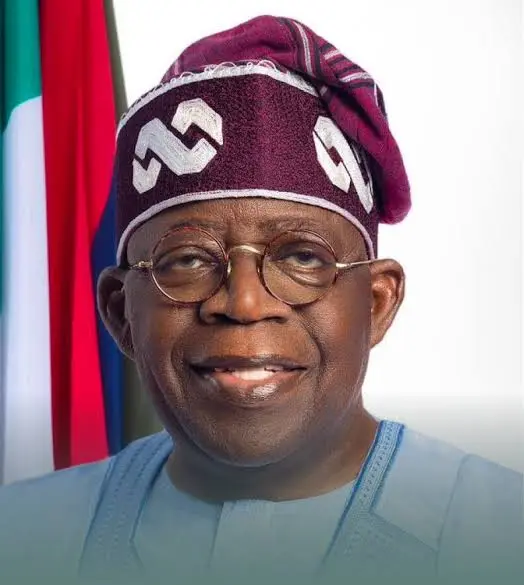
Nigeria’s political landscape has undergone significant changes since the return of democratic rule in 1999. Among the many political figures who have influenced the country’s direction, few have had as much impact as Bola Ahmed Tinubu. Often described by supporters as a master strategist and nation builder, Tinubu has spent decades building political structures, influencing electoral outcomes, and shaping governance at both state and national levels.
Today, as President of the Federal Republic of Nigeria and leader of the ruling All Progressives Congress (APC), Tinubu stands at the center of some of the most important political and economic debates in the country.
His administration has introduced ambitious reforms aimed at restructuring Nigeria’s economy, attracting investment, and reducing long-term fiscal pressures. At the same time, these policies have generated intense debate, with critics arguing that many Nigerians continue to face economic hardship and rising living costs.
As the country moves toward the next phase of its democratic journey, understanding Tinubu’s leadership, the APC’s influence, and the challenges facing the ruling party has become increasingly important.
Who Is Bola Ahmed Tinubu?
Bola Ahmed Tinubu is one of the most influential politicians in modern Nigerian history.
Born on March 29, 1952, Tinubu rose through the political ranks during Nigeria’s transition to democracy. Before becoming president, he served as Senator for Lagos West and later as Governor of Lagos State between 1999 and 2007.
His tenure as governor is frequently cited by supporters as a turning point in Lagos’ development. During that period, Lagos witnessed significant improvements in internally generated revenue, infrastructure expansion, and administrative reforms.
Many analysts believe Tinubu’s success in Lagos helped establish his reputation as a political organizer capable of building strong institutions and empowering future leaders.
Over the years, numerous governors, ministers, lawmakers, and public officials have emerged from political networks associated with Tinubu.
This influence eventually contributed to the formation of the APC and its rise to national prominence.
The Birth of the APC
The All Progressives Congress was formed in 2013 through the merger of several opposition political parties.
The merger represented one of the most significant political realignments in Nigeria’s democratic history.
At the time, the opposition recognized that defeating the then-ruling People’s Democratic Party would require unity and strategic cooperation.
The APC brought together diverse political interests under a common platform.
The result was historic.
In 2015, the APC defeated the incumbent government and won the presidency, marking the first time an opposition party successfully unseated a ruling party through democratic elections in Nigeria.
That victory fundamentally changed the country’s political landscape.
Tinubu’s Role in Building the APC
Many political observers regard Tinubu as one of the principal architects behind the APC’s formation and growth.
His influence extended beyond electoral campaigns.
He played a critical role in:
- Coalition building
- Political negotiations
- Candidate selection
- Party organization
- Strategic planning
Supporters often credit him with helping transform the APC from a coalition of opposition groups into a national political force.
His ability to build alliances across regions and political interests remains one of his defining strengths.
The Road to the Presidency
Tinubu’s presidential ambition became one of the most discussed topics in Nigerian politics long before the 2023 election.
After years of supporting other candidates and helping shape party strategy, he emerged as the APC’s presidential candidate.
His campaign focused on themes such as:
- Economic growth
- National unity
- Infrastructure development
- Security improvement
- Youth empowerment
Following a competitive election, Tinubu secured victory and assumed office as Nigeria’s president.
His inauguration marked the beginning of a new chapter in Nigerian governance.
Major Economic Reforms Under Tinubu
One of the defining characteristics of Tinubu’s administration has been its willingness to implement major economic reforms.
These reforms have sought to address long-standing structural challenges within the Nigerian economy.
Fuel Subsidy Removal
One of the administration’s earliest and most controversial decisions was the removal of fuel subsidies.
Supporters argued that subsidy payments placed enormous pressure on public finances and limited the government’s ability to invest in critical sectors.
Advocates of the policy believe that redirecting those resources could create opportunities for infrastructure development, education, healthcare, and social programs.
However, the immediate effect included higher transportation and energy costs, which contributed to increased economic pressure on many households.
Foreign Exchange Reforms
The administration also pursued reforms within the foreign exchange market.
The objective was to improve transparency, reduce distortions, and attract foreign investment.
Supporters argue that these reforms are essential for long-term economic stability.
Critics contend that the transition has contributed to short-term economic challenges.
Tax and Revenue Reforms
The government has also emphasized expanding revenue generation and improving tax administration.
Officials argue that sustainable economic growth requires stronger public finances and reduced dependence on borrowing.
Infrastructure Development Agenda
Infrastructure remains a key component of the administration’s development strategy.
Areas receiving attention include:
Road Construction
The government continues to prioritize major highway projects aimed at improving connectivity and facilitating trade.
Rail Expansion
Efforts have been made to strengthen transportation networks through rail investments.
Energy Infrastructure
Improving electricity generation and distribution remains a major priority.
Digital Infrastructure
The administration has also highlighted the importance of expanding digital connectivity to support innovation and economic growth.
Supporters argue that infrastructure investment is essential for long-term competitiveness.
The APC’s Political Strength
The APC remains one of the largest political parties in Nigeria.
Several factors contribute to its strength:
Nationwide Presence
The party maintains structures across multiple states and regions.
Experienced Leadership
The APC includes numerous governors, lawmakers, and political strategists with significant experience.
Incumbency Advantage
Holding the presidency provides visibility and access to government performance records that can influence public opinion.
Coalition Politics
The APC’s ability to attract support from different political and regional interests has been a major factor in its success.
These advantages make the party a formidable force in Nigerian politics.
Challenges Facing Tinubu and the APC
Despite its strengths, the administration faces significant challenges.
Cost of Living Concerns
Many Nigerians continue to express concerns regarding inflation and rising living expenses.
Food prices, transportation costs, and household expenses remain important issues for voters.
Youth Unemployment
Creating jobs for Nigeria’s rapidly growing population remains a major challenge.
The government faces pressure to accelerate economic opportunities for young people.
Security Issues
Security concerns continue to affect several parts of the country.
Addressing insecurity remains one of the administration’s most important responsibilities.
Public Expectations
As with every government, expectations are high.
Citizens increasingly demand visible improvements in governance, infrastructure, and economic conditions.
Supporters’ Perspective
Supporters of Tinubu argue that many of the administration’s policies are designed to solve long-term problems rather than provide short-term political benefits.
They contend that difficult reforms are often necessary to achieve sustainable growth.
According to this perspective, current economic adjustments may create stronger foundations for future prosperity.
Supporters also point to ongoing infrastructure projects, revenue reforms, and efforts to attract investment as evidence of long-term planning.
Critics’ Perspective
Critics argue that economic reforms have imposed significant burdens on ordinary citizens.
They contend that many Nigerians are experiencing hardship due to inflation and higher living costs.
Some opposition figures also question whether the benefits of current reforms will be distributed fairly across society.
These debates are likely to remain central to Nigerian politics in the coming years.
Tinubu’s Influence Beyond Government
Regardless of political affiliation, few observers dispute Tinubu’s influence on Nigerian politics.
His impact extends beyond government policy.
He has played important roles in:
- Political party development
- Leadership recruitment
- Electoral strategy
- Coalition building
- Democratic competition
For decades, he has remained one of the country’s most consequential political actors.
Looking Toward 2027
As Nigeria moves closer to future elections, the performance of the Tinubu administration will likely become a major campaign issue.
Key questions voters may consider include:
- Have economic reforms improved living standards?
- Has infrastructure development accelerated?
- Has security improved?
- Are employment opportunities expanding?
- Has governance become more effective?
The answers to these questions could influence the political landscape significantly.
The Future of the APC
The APC’s future will depend on several factors.
These include:
- Maintaining internal unity
- Delivering policy outcomes
- Expanding voter support
- Managing regional interests
- Addressing economic concerns
The party’s ability to adapt to changing political realities will play a major role in determining its long-term success.
Conclusion
Bola Ahmed Tinubu and the APC occupy a central position in Nigeria’s political and economic landscape. Their decisions influence governance, development, and public policy across the country.
Supporters view the administration as pursuing necessary reforms that could strengthen Nigeria’s future. Critics argue that more needs to be done to address immediate economic challenges and improve living conditions.
As debates continue and future elections approach, one thing remains clear: the actions of Tinubu and the APC will continue to shape Nigeria’s trajectory for years to come.
Whether viewed through the lens of economic reform, political strategy, infrastructure development, or governance, their impact on the nation’s future is undeniable.
President Bola Ahmed is an exceptional leader.