Kuda Bank Success Story: How Nigeria’s Digital Bank Is Disrupting Traditional Banking and Empowering Millions
The financial services industry in Nigeria is experiencing one of the most significant transformations in its history. Driven by technology, innovation, and changing consumer expectations, digital banks are challenging traditional banking institutions and creating a new era of financial accessibility.
Among the companies leading this revolution is Kuda Bank, a fintech company often referred to as “The Bank of the Free.” Through its mobile-first approach, Kuda has attracted millions of users by offering a modern banking experience designed for today’s digital generation.
Unlike conventional banks that depend heavily on physical branches, Kuda operates primarily through technology, providing users with convenient banking services directly from their smartphones.
Its rapid rise has positioned it as one of Nigeria’s most successful fintech companies and one of Africa’s most promising digital banking platforms.
But what makes Kuda different, and how did it become a major force in Nigeria’s financial technology sector?
What Is Kuda Bank?
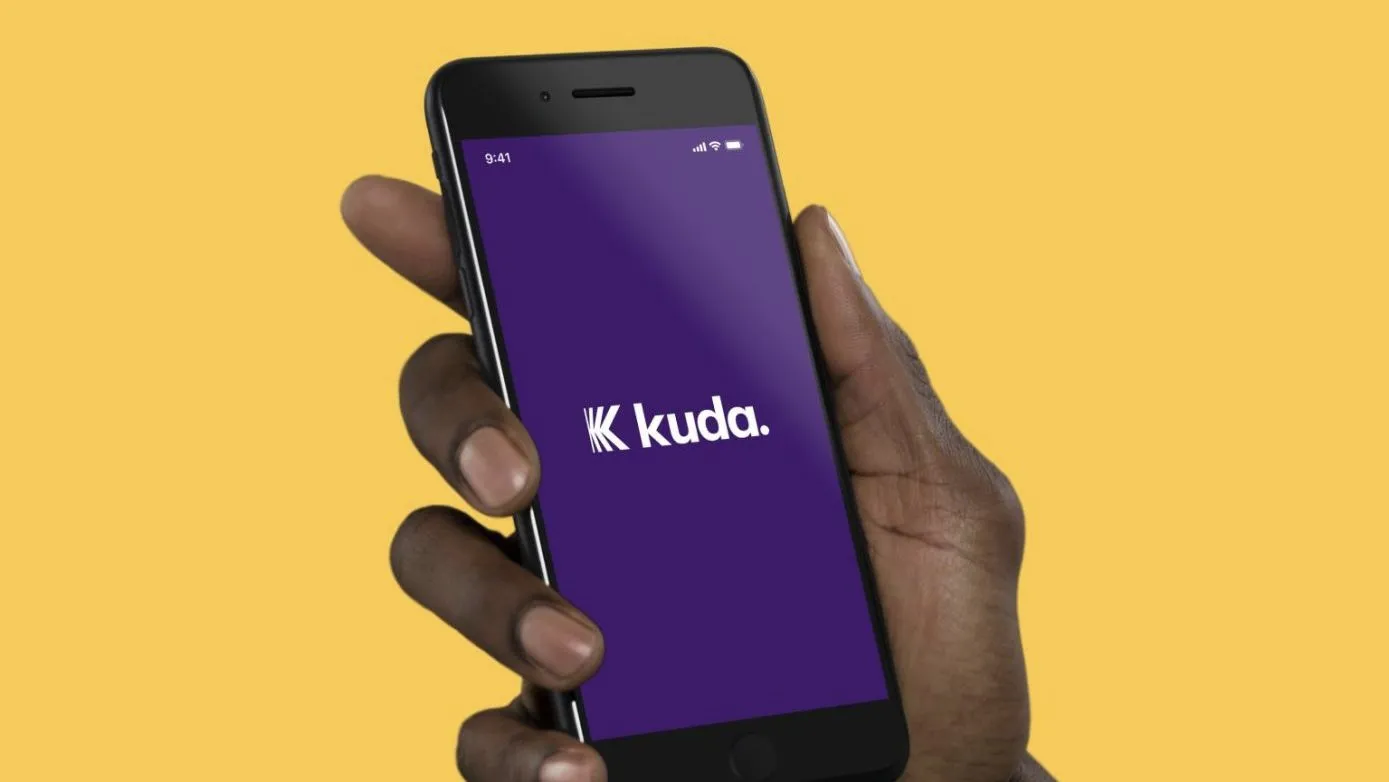
Kuda is a digital bank that offers banking services through a mobile application.
Customers can perform various banking activities, including:
- Opening accounts online
- Sending and receiving money
- Saving funds
- Managing budgets
- Paying bills
- Purchasing airtime and data
- Tracking spending habits
Unlike traditional banks that require customers to visit branches for many services, Kuda enables users to manage their finances entirely through their mobile devices.
This convenience has become one of the company’s strongest competitive advantages.
The Origin of Kuda Bank
Kuda was founded with a mission to make banking simpler, faster, and more accessible.
The founders recognized several challenges affecting traditional banking customers:
- High banking fees
- Long queues
- Complex account-opening processes
- Limited access to branches
- Poor customer experiences
Rather than improving the existing system incrementally, Kuda sought to rebuild the banking experience from the ground up using technology.
This approach allowed the company to eliminate many inefficiencies associated with traditional banking.
Why Kuda Became Popular
Several factors contributed to Kuda’s rapid growth.
Mobile-First Banking
Kuda was built specifically for smartphone users.
This means customers can access banking services anytime and anywhere.
The platform aligns perfectly with the growing digital lifestyle of young Nigerians.
Reduced Banking Fees
Traditional banking customers often complain about numerous charges and deductions.
Kuda positioned itself as a cost-effective alternative, helping attract millions of users.
Simple User Experience
The application is designed to be intuitive and easy to use.
This simplicity makes digital banking more accessible to a wider audience.
Financial Management Tools
Kuda goes beyond basic banking.
The platform provides tools that help users:
- Monitor spending
- Create budgets
- Set savings goals
- Manage personal finances
These features improve financial awareness and encourage better money management.
Understanding Kuda’s Business Model
Although many users appreciate Kuda’s low-cost services, the company still operates as a business that must generate revenue.
Its business model includes:
Transaction Services
Revenue is generated through certain financial transactions and partnerships.
Interchange Fees
The bank earns fees from card transactions processed through payment networks.
Premium Services
Additional financial products and services create new revenue opportunities.
Business Banking
Kuda also provides solutions for entrepreneurs and businesses.
By diversifying its revenue streams, the company can continue investing in innovation and growth.
The Rise of Digital Banking in Nigeria
Kuda’s success reflects broader changes occurring across Nigeria’s financial sector.
Several factors have accelerated digital banking adoption.
Smartphone Growth
Millions of Nigerians now own internet-enabled mobile devices.
Internet Expansion
Improved connectivity has made digital services more accessible.
Changing Consumer Expectations
Customers increasingly demand convenience and speed.
Financial Inclusion Needs
Many individuals remain underserved by traditional banks.
Digital banks help bridge these gaps.
As these trends continue, digital banking adoption is expected to grow further.
Financial Inclusion and Kuda’s Impact
One of Kuda’s most important contributions is expanding financial inclusion.
Financial inclusion means ensuring people have access to useful and affordable financial services.
Millions of Nigerians still face barriers to traditional banking.
These barriers include:
- Distance from bank branches
- Documentation requirements
- Banking fees
- Limited financial literacy
Kuda addresses these challenges through a mobile-first model that reduces many traditional obstacles.
As a result, more people can participate in the formal financial system.
How Kuda Is Competing with Traditional Banks
Kuda’s growth demonstrates how technology can challenge established industries.
Traditional banks possess significant advantages, including:
- Large customer bases
- Extensive infrastructure
- Established brands
However, Kuda competes by offering:
Convenience
Banking services are available directly from smartphones.
Speed
Processes that once required branch visits can now be completed digitally.
Lower Costs
Reduced overhead expenses allow for more competitive pricing.
Better User Experience
Modern interfaces improve customer satisfaction.
This combination has helped Kuda attract users seeking alternatives to traditional banking.
Technology as Kuda’s Greatest Asset
Technology sits at the center of Kuda’s operations.
The company invests heavily in:
Cloud Infrastructure
Scalable systems support growing customer demand.
Security
Protecting customer funds and data is a top priority.
Automation
Automated processes improve efficiency and reduce costs.
Artificial Intelligence
Advanced technologies can enhance customer experiences and risk management.
These investments help ensure reliability and scalability.
Challenges Facing Kuda
Despite impressive growth, Kuda faces several challenges.
Competition
The fintech industry has become increasingly competitive.
Major competitors include:
- OPay
- PalmPay
- Moniepoint
- FairMoney
- Carbon
Regulatory Compliance
Financial institutions must comply with evolving regulations.
Customer Trust
Digital banks must continually demonstrate reliability and security.
Profitability
Balancing growth with sustainable profitability remains a challenge for many fintech companies.
Successfully navigating these issues will be critical for long-term success.
Funding and Investor Confidence
Kuda has attracted significant investment from global investors.
This funding supports:
- Product development
- Market expansion
- Technology improvements
- Customer acquisition
- Operational growth
Investor confidence reflects strong belief in the future of digital banking across Africa.
The Future of Kuda Bank
The future appears promising for Kuda.
Several trends create growth opportunities.
Digital Banking Expansion
More consumers are embracing mobile-first financial services.
Financial Inclusion Growth
Millions of Africans remain underserved by traditional financial institutions.
Business Banking Solutions
Small businesses increasingly need digital financial tools.
Artificial Intelligence
AI-powered financial services may create new opportunities for innovation.
As technology continues reshaping financial services, Kuda is well-positioned to capitalize on emerging trends.
Lessons Entrepreneurs Can Learn from Kuda
Kuda’s journey provides valuable insights for entrepreneurs.
Identify Market Gaps
The company recognized inefficiencies in traditional banking.
Leverage Technology
Technology can create scalable and efficient business models.
Focus on Customer Experience
Simple and intuitive products drive adoption.
Challenge Established Industries
Innovation can create opportunities even in highly competitive markets.
Think Long-Term
Building transformative businesses requires vision and persistence.
These lessons apply across industries and sectors.
Kuda and the Future of African Banking
Kuda represents a broader movement toward digital finance across Africa.
Consumers increasingly expect:
- Instant transactions
- Mobile accessibility
- Personalized financial services
- Lower costs
- Better experiences
Digital banks are uniquely positioned to meet these expectations.
As adoption increases, companies like Kuda may play a significant role in shaping the future of banking on the continent.
Conclusion
Kuda Bank’s rise from a fintech startup to one of Africa’s most recognized digital banking brands highlights the transformative power of technology and innovation.
By simplifying banking, reducing costs, and expanding financial access, Kuda has built a platform that resonates with millions of users.
Its mobile-first approach, commitment to customer experience, and focus on financial inclusion have helped it stand out in a competitive industry.
As digital banking continues to evolve, Kuda appears well-positioned to remain one of the leading forces driving financial innovation across Nigeria and Africa.
For entrepreneurs, investors, and consumers, Kuda’s success story demonstrates how technology can solve real-world challenges while creating lasting economic impact.
1 thought on “Kuda Bank Success Story: How Nigeria’s Leading Digital Bank Is Revolutionizing Banking and Financial Inclusion in Africa”